Best Camping Tents for Durability, Comfort & Long-Term Use

Reviewed by Our Editors at Zenda Guide
Our content follows our Editorial Standards and is evaluated using the Zenda Lab Protocol.

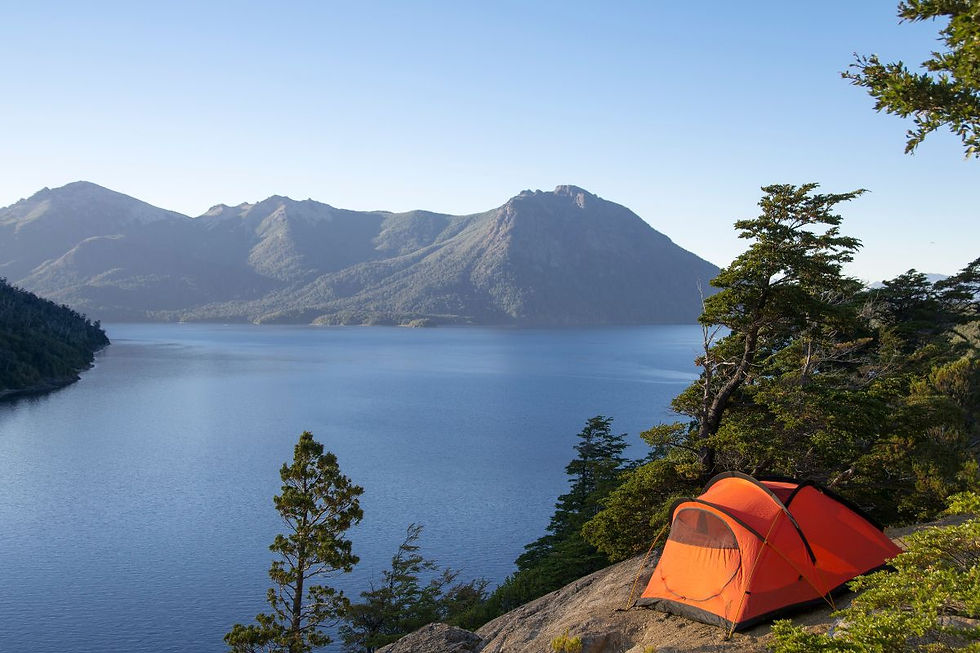
Reliable shelter, wherever your adventure takes you.
When you’re camping, your tent isn’t just gear — it’s your shelter from wind, rain, heat, and long nights outdoors. A good tent can make the difference between a restorative experience and a frustrating one.
At Zenda Guide, we focus on tents that are built to last — not just for one season, but for years of real use. The picks in this guide were selected for durability, weather protection, ease of setup, and long-term value, with attention to materials and responsible manufacturing where information is available.
Whether you’re planning weekend getaways, family camping trips, or multi-day adventures, this guide is designed to help you choose a tent you can trust — without overwhelm or hype. Table of Contents
How We Choose Camping Tents
At Zenda Guide, our recommendations are guided by a documented editorial process — not trends, sponsorships, or short-term deals.
For this camping tent guide, we evaluated products based on:
Build quality & materials – fabric durability, pole construction, seams, and zippers
Weather performance – waterproof ratings, ventilation, and season suitability
Ease of use – setup time, packed size, and real-world usability
Long-term value – repairability, warranty, and brand reputation
Responsible considerations – where available, we review material sourcing and sustainability claims critically
Our goal is to highlight tents that balance performance, longevity, and comfort, so you can invest once — and use it for many adventures to come.
→ Learn more about how we evaluate and recommend products in our Editorial Standards.
Affiliate & Legal Disclaimer
This post contains Amazon affiliate links. As an Amazon Associate, Zenda Guide earns from qualifying purchases at no extra cost for you.
Our Top Picks: Reliable Camping Tents Worth Buying
Best All-Around Durable Tent — MSR Habitude 4
Light enough for weekend trips, strong enough for long-term base camps.
Capacity: 4-person
Weight: 13 lbs
Why We Love It: Near-vertical walls for extra space, rugged pole system, and excellent weather protection.

Best Waterproof Tent — NEMO Dagger OSMO 3P
If staying dry is your top priority, this tent delivers.
Capacity: 3-person
Weight: 4.5 lbs
Why We Love It: OSMO™ fabric with PFC-free water repellency, double doors, and massive vestibules.

Best Lightweight Tent — Big Agnes Copper Spur HV UL2
For backpackers counting ounces without compromising comfort.
Capacity: 2-person
Weight: 3.1 lbs
Why We Love It: Ultralight yet sturdy, with excellent ventilation and storage pockets.

Best Family Tent — Coleman Octagon 98
A cabin-like setup for big groups or comfort-focused campers.
Capacity: 8-person
Weight: 45 lbs
Why We Love It: Room divider, tall ceilings, and color-coded poles for easy setup.

Best Tent for Harsh Weather — MSR Access 3
When storms roll in, this tent keeps you safe and warm.
Capacity: 2-person
Weight: 5.1 lbs
Why We Love It: Built for 4-season use, handles snow load, wind, and low temps without adding the bulk of an expedition tent.
Tent Care & Longevity Tips
Clean after every trip with mild soap and cold water.
Avoid prolonged sun exposure to protect fabrics from UV damage.
Dry completely before storage to prevent mold.
Re-seal seams and reapply waterproofing every 1–2 years.
How to Choose a Durable Camping Tent
Before you click “add to cart,” these are the same factors experienced campers — and top-rated Amazon buyers — consistently prioritize.
1. Tent Materials & Lifespan
Material choice affects how long your tent lasts, how it packs, and how it performs in real conditions.
Most trusted materials among long-term buyers:
Canvas – Heavy but exceptionally durable
Ripstop nylon – Lightweight, strong, and common in best-selling backpacking tents
Polyester is often used for its UV resistance, making it a good choice for frequent sunny trips, though it may feel slightly less breathable in hot weather.
Canvas: Ideal for base camps and extended stays. Often praised in reviews for longevity when properly cared for.
Ripstop nylon: A favorite for hikers and weekend campers thanks to its balance of durability and portability.
Buyer tip: Many highly rated tents note 10+ years of use when properly dried, stored, and maintained.
2. Waterproof Ratings — What Actually Matters
Waterproof ratings (measured in millimeters, or mm) help you compare tents quickly — especially when browsing online.
Tent floors: Look for 3000mm or higher
Rainfly: 1500–2000mm is suitable for most camping conditions
Is a 3000mm waterproof tent good?
Yes — it’s commonly considered excellent for heavy or prolonged rain.
When comparing options, also check for:
Fully taped seams (a frequent difference between mid- and top-tier tents)
Bathtub-style floors, which prevent ground moisture from seeping in
3. Frame Materials & Stability
Pole material affects weight, durability, and setup reliability — especially in wind.
Aluminum poles: Lighter, stronger, and more resistant to bending — often highlighted in premium and top-rated models
Fiberglass poles: More budget-friendly, but heavier and more prone to wear over time
Buyer insight: If durability and repeat use matter, aluminum frames tend to deliver better long-term value.
4. Season Ratings — Matching the Tent to Your Use
Season ratings help ensure you’re not over- or under-buying.
3-Season tents: The most popular choice for spring, summer, and fall camping
4-Season tents: Designed for snow, high winds, and colder conditions — heavier and more specialized
Buying smart: Most campers don’t need a 4-season tent unless they’re camping in winter or alpine conditions.
Quick Picks — Best Camping Tents at a Glance
Tent & Best Use | Buy |
MSR Habitude 4
| |
Big Agnes Copper Spur HV UL2
| |
NEMO Dagger OSMO 3P
| |
Coleman Octagon 98
| |
MSR Access 3
|
FAQ — Camping Tents
Do tents lose waterproofing over time?
Yes. Sun exposure, abrasion, dirt buildup, and age can degrade waterproof coatings over time. Most tents benefit from periodic reapplication of seam sealer and DWR spray, especially if used frequently or stored improperly.
Do all tents leak in heavy rain?
Not necessarily. A well-made tent with adequate waterproof ratings, taped seams, and proper setup should stay dry in heavy rain. Many leaks reported by users are caused by poor pitching, worn coatings, or water pooling under the tent.
Is it worth buying an expensive tent?
It depends on how often and where you camp. If you camp regularly, face unpredictable weather, or value long-term durability, higher-quality tents often provide better comfort, reliability, and lifespan, making them a better long-term investment.
How long should a good camping tent last?
With proper care — including drying before storage and avoiding prolonged UV exposure — a quality tent can last 8–15 years or more, depending on materials and frequency of use.
What’s the most important feature to look for when buying a tent?
For most campers, the key priorities are weather protection, durability, and ease of setup. Lightweight features matter more for backpacking, while space and comfort are often more important for car or family camping.
Should I size up when choosing a tent?
Yes, many campers prefer to size up. A “2-person” tent often fits two people snugly, so choosing one size larger can improve comfort, storage space, and overall usability — especially for longer trips.
Final Thoughts
Picking the right tent is an investment in smoother trips and fewer weather-related headaches. Whether you’re a solo backpacker, a weekend family camper, or a year-round adventurer, one of these picks will fit your style, budget, and season.
Keep exploring
Subscribe to Zenda Guide — Seasonal gear picks, checklists, and low-impact travel tips.
Best Portable Gas Stoves — Safe, Compact & Camping-Ready Picks
Sustainable Tourism Examples — Real, credible ways to travel better and support local communities.
Eco Lodges to Bookmark — Design-forward stays with genuine sustainability credentials.
Luggage & Packing Guides — Durable picks and smart packing for weekend escapes to long hauls.
Responsible Tourism 101 — What to look for, what to avoid, and how to make every trip count.
About our editorial process
Zenda Guide reviews are produced by our Editorial Board using a documented methodology focused on durability, materials, and long-term value. Learn more about our Editorial Standards and Zenda Lab Protocol


Comments