Best Reef-Safe Sunscreens (Mineral & Ocean-Safe SPF)

Updated: Jul 20
Reviewed by Our Editors at Zenda Guide
Our content follows our Editorial Standards and is evaluated using the Zenda Lab Protocol.
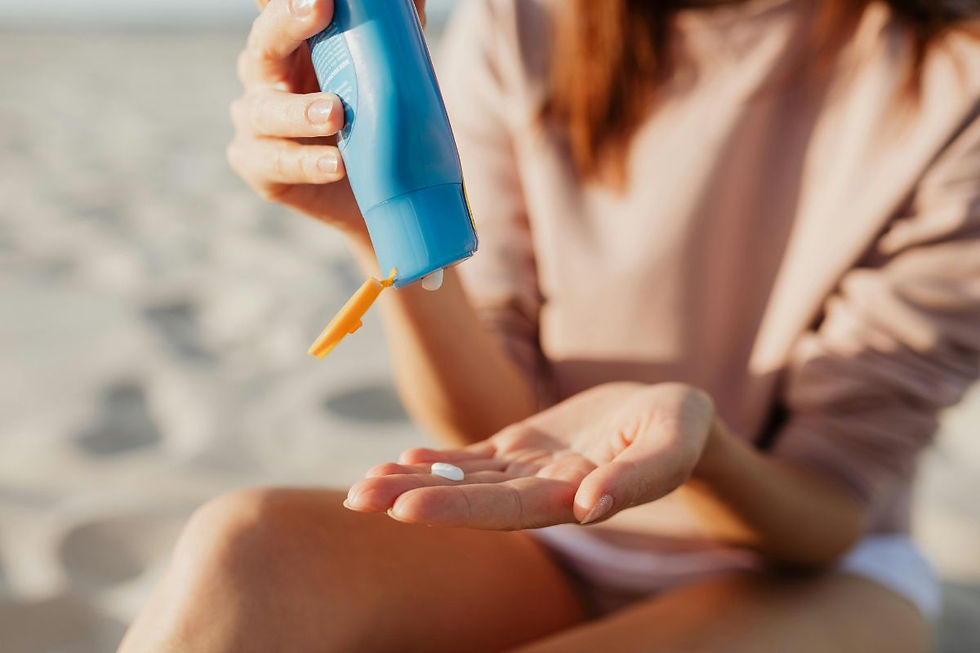
Reef-safe sunscreen shouldn’t be a guessing game.
Many products claim to be “reef friendly,” but labels alone don’t tell the full story. At Zenda Guide, we review reef-safe sunscreens using the Zenda Lab PVS Method, evaluating ingredient safety, UV protection, skin experience, and real-world performance — not marketing buzzwords.
This guide focuses on mineral, ocean-safe sunscreens that avoid ingredients linked to coral reef damage, while still delivering reliable sun protection for everyday wear, swimming, and outdoor activities.
Affiliate Disclosure
This post contains Amazon affiliate links. As an Amazon Associate, Zenda Guide earns from qualifying purchases at no extra cost to you. Zenda Lab scores are based on data analysis, not physical product testing.
Quick Picks: Best Reef-Safe Sunscreens
“Reef-safe” is not a regulated label, so it should not be treated as a guarantee that a sunscreen has no environmental impact. These picks prioritize mineral UV filters and avoid oxybenzone and octinoxate, while comparing protection, water use, finish and practical tradeoffs.
|
|
Blue Lizard Sensitive Mineral SPF 50
|
Raw Elements Face & Body SPF 30
|
Badger SPF 30 Mineral Sunscreen
|
Table of contents
Why Reef-Safe Sunscreen Matters
Many conventional sunscreens contain ingredients like oxybenzone and octinoxate — chemicals proven to harm coral reefs and marine life, even in small amounts.
These substances:
Disrupt coral reproduction and growth
Accumulate in marine species
Contribute to bleaching and reef death
That’s why places like Hawaii, the U.S. Virgin Islands, Aruba, and parts of Mexico have begun banning non-compliant sunscreens — and enforcing those bans at customs or beaches.

How We Choose Reef-Safe Sunscreens
“Reef-safe” isn’t a regulated label — so we don’t rely on marketing claims alone.
At Zenda Guide, we review reef-safe sunscreens using the Zenda Lab PVS Method, our transparent framework for evaluating ingredient safety, UV protection, real-world performance, and environmental impact.
For this guide, we apply the same Zenda Lab criteria used across all sunscreen reviews, with greater emphasis on ingredients and reef impact. This helps us compare mineral sunscreens for face, body, and outdoor use — without glossing over trade-offs.
What we look for
Mineral UV filters (zinc oxide or titanium dioxide)
No ingredients linked to coral reef harm (like oxybenzone or octinoxate)
Broad-spectrum, reliable sun protection
Clear ingredient transparency and reef-safe positioning
Strong verified buyer feedback and fair value
Only sunscreens that meet our standards and earn a solid Zenda PVS score make the list.
For full details on our review process, visit the Zenda Lab Protocol.
Zenda’s Top Picks: Best Reef-Safe Sunscreens in 2026
Thinksport SPF 50+
Best Reef-Safe Sunscreen for Sports & Water Use
Thinksport SPF 50+ is one of the most reliable reef-safe mineral sunscreens for active days. It uses zinc oxide for broad-spectrum protection and is designed to hold up during swimming, sweating, and long sun exposure.
The texture is thicker than everyday lotions, but that’s part of its durability. Once rubbed in properly, it stays put and performs exceptionally well outdoors.
Quick Specs Snapshot
SPF: 50+ broad spectrum
UV filter: Zinc oxide
Formula: Mineral
Water use: Strong water- and sweat-resistant performance
Finish: Thick mineral texture; some white cast is possible
Best for: Swimming, sports and extended outdoor use
Main tradeoff: Requires thorough blending
Why we like it
SPF 50+ broad-spectrum mineral protection
Excellent water and sweat resistance
Reef-safe, zinc-based formula
Trusted performance for outdoor use
Consider before buying
Thicker mineral texture
Light white cast if not blended well
Bottom Line
Thinksport is the strongest all-around pick for active outdoor use, provided you are comfortable with a thicker mineral texture.
STREAM2SEA Coral Care SPF 30
Best Eco-Focused Reef-Safe Sunscreen
STREAM2SEA Coral Care SPF 30 is designed specifically for reef and ocean environments. It uses mineral UV filters and a biodegradable formula developed to be gentle on marine life.
It absorbs more easily than many traditional mineral sunscreens and feels less greasy, making it a solid option for both face and body during beach and snorkeling trips.
Quick Specs Snapshot
SPF: 30 broad spectrum
UV filter: Mineral zinc oxide
Formula: Biodegradable, eco-focused mineral formula
Water use: Water resistant for approximately 80 minutes
Finish: Less greasy than many mineral sunscreens; subtle white cast remains possible
Best for: Reef travel, snorkeling and beach use
Main tradeoff: Lower SPF and a thicker feel than lightweight daily lotions
Why we like it
Reef-approved, biodegradable mineral formula
Broad-spectrum SPF 30 protection
Less greasy feel than many zinc sunscreens
Strong eco and marine-safe focus
Consider before buying
SPF 30 (not SPF 50)
Still a mineral formula with mild white cast
Bottom Line
STREAM2SEA is the most purpose-built option for reef-conscious travel, though its SPF 30 protection and mineral finish may not suit every user.
Blue Lizard Sensitive Mineral SPF 50
Best Reef-Safe SPF for Sensitive Skin
Blue Lizard Sensitive SPF 50 is a high-protection mineral sunscreen made for sensitive and reactive skin. It uses zinc oxide and titanium dioxide for physical UV blocking and avoids chemical filters.
The formula is fragrance-free and gentle, making it a dependable choice for both face and body — especially if you need higher SPF without irritation.
Quick Specs Snapshot
SPF: 50 broad spectrum
UV filters: Zinc oxide and titanium dioxide
Formula: Mineral formula designed for sensitive skin
Water use: Listed as water resistant; confirm the duration on the current label
Finish: Relatively blendable for a mineral SPF, with some white-cast risk
Best for: Sensitive skin and higher-SPF face-and-body protection
Main tradeoff: Can feel thicker than conventional sunscreen
Why we like it
SPF 50 broad-spectrum mineral protection
Gentle, fragrance-free formula
Reef-safe zinc + titanium dioxide
Good balance of protection and comfort
Consider before buying
Mild white cast on deeper skin tones
Slightly thicker than chemical SPFs
Bottom Line
Blue Lizard offers strong mineral protection for sensitive skin, but users should still expect the texture and possible cast associated with physical UV filters.
Raw Elements Face & Body SPF 30
Best Natural Reef-Safe Mineral Sunscreen
Raw Elements SPF 30 focuses on natural, organic ingredients with non-nano zinc oxide for reef-safe protection. It’s a classic mineral sunscreen with a richer texture and strong eco credentials.
This is a good choice if ingredient purity and environmental impact matter more to you than having a lightweight finish.
Quick Specs Snapshot
SPF: 30 broad spectrum
UV filter: Non-nano zinc oxide
Formula: Mineral face-and-body formula with an organic-focused base
Water use: Water resistant; confirm the duration on the current label
Finish: Rich, traditional zinc texture
Best for: Natural-ingredient preferences and all-purpose outdoor use
Main tradeoff: Heavier feel that requires more careful blending
Why we like it
Non-nano zinc oxide mineral protection
Organic, eco-focused ingredient profile
Reef-safe and water-resistant
Suitable for face and body
Consider before buying
Rich, traditional mineral texture
Takes more effort to rub in
Bottom Line
Raw Elements suits shoppers who prioritize a simple, environmentally focused mineral formula over a lightweight or invisible finish.
Badger Balm SPF 30 (Reef-Friendly)
Best Gentle Reef-Safe Daily Sunscreen
Badger Balm SPF 30 is a simple, mineral sunscreen with a balm-like texture and a strong reef-safe profile. It’s made with non-nano zinc oxide and a minimal ingredient list.
It’s not the lightest option, but it’s gentle, effective, and well-suited for daily use when you want straightforward reef-safe protection.
Quick Specs Snapshot
SPF: 30 broad spectrum
UV filter: Non-nano zinc oxide
Formula: Simple mineral formula with a balm-style base
Water use: Designed for outdoor use; confirm current water-resistance directions on the label
Finish: Thick and rich, with a more noticeable white-cast risk
Best for: Users who prefer a minimal, traditional mineral formula
Main tradeoff: Heavier application and less invisible finish
Why we like it
Non-nano zinc oxide mineral SPF
Simple, reef-friendly formulation
Gentle for face and body
Good value, often sold in bundles
Consider before buying
Thicker, balm-style texture
Visible white cast if over-applied
Bottom Line
Badger is a straightforward mineral option with a simple formula, but its dense balm texture will not suit shoppers seeking a lightweight sunscreen.

Where Reef-Safe Sunscreen Is Required
More destinations are enforcing reef-safe sunscreen laws, especially in protected areas. Be prepared in:
Hawaii – bans oxybenzone & octinoxate
Cozumel & Tulum, Mexico – enforced at snorkeling sites
USVI, Aruba, Bonaire, Palau – reef zones & parks
Pack wisely — some resorts will confiscate non-compliant formulas on arrival.
What to Look for in Reef-Safe Sunscreen
Not every product labeled “reef-safe” is truly ocean-friendly. Here's what to check for:
Look for:
Mineral-based ingredients: non-nano zinc oxide or titanium dioxide
Biodegradable formulas
Cruelty-free and vegan certifications
No parabens, sulfates, or synthetic fragrance
Avoid:
Oxybenzone and Octinoxate
Homosalate, Avobenzone (in high concentration)
Spray formats (more likely to be inhaled and overused)

Popular Questions About Reef-Safe Sunscreens
Is reef-safe sunscreen safe for sensitive skin?
Yes — especially those made with non-nano zinc oxide. Most reef-safe formulas are mineral-based, fragrance-free, and hypoallergenic, making them ideal for sensitive skin.
What is the best brand of reef-safe sunscreen?
There’s no single “best” — it depends on your skin type and activity. Top-rated brands include Raw Elements, Thinksport, Stream2Sea, and Ethical Zinc — all mineral-based, third-party tested, and Hawaii-compliant.
Does reef-safe sunscreen work as well as chemical sunscreen?
Yes — when applied correctly. Mineral sunscreens form a physical barrier, and they’re effective if applied generously and reapplied every two hours, especially after swimming or sweating. Look for water-resistant labels.
What’s the difference between biodegradable and reef-safe?
Reef-safe means the product avoids ingredients like oxybenzone and octinoxate that harm marine ecosystems.
Biodegradable refers to whether the formula breaks down naturally without leaving harmful residues.
The best sunscreens are both reef-safe and biodegradable.
What type of sunscreen is best for coral reefs?
Mineral sunscreens with non-nano zinc oxide or titanium dioxide are considered safest. Avoid products with chemical filters, especially oxybenzone, octinoxate, and octocrylene, which have been shown to damage coral DNA and reproduction.
How can I tell if a sunscreen is reef-safe?
Look for:
No oxybenzone or octinoxate listed in ingredients
Labels that say “reef-safe,” “reef-friendly,” or “Hawaii-compliant”
Mineral-based formulas with zinc oxide or titanium dioxide
For extra peace of mind, check for certifications or look up specific ingredients online
What type of sunscreen is best for coral reefs?
Mineral sunscreen made with non-nano zinc oxide (and sometimes titanium dioxide) is considered safest. It sits on the skin and doesn’t dissolve into water, protecting marine life.
Is Sun Bum allowed in Hawaii?
Only their “Mineral” line is legally sold in Hawaii — their other products contain ingredients banned in Hawaii for coral reef protection.
What kills coral in sunscreen?
Ingredients like oxybenzone and octinoxate cause coral bleaching, disrupt coral larvae, and impair reef resilience. Other synthetic UV filters (like octocrylene) may also contribute to reef harm.
Is Supergoop reef safe?
Some Supergoop products are marketed as “reef safe” — but not all are mineral-based, and some still contain questionable UV filters. For true reef-safe protection, choose a certified mineral sunscreen.
What brands of sunscreen are not reef safe?
Many mainstream brands are not reef-safe, including:
Neutrogena
Coppertone
Banana Boat
Hawaiian Tropic
Many sports or waterproof “extreme” sunscreens
Look for non-nano mineral-only formulas instead.
Final Thoughts: A Simple Switch With Big Impact
Reef-safe sunscreen isn’t just a travel essential — it’s a vote for healthier oceans. Whether you’re snorkeling in Costa Rica or spending a weekend at the beach, choosing one of these vetted options protects your skin and the marine life we all depend on.
At Zenda Guide, we only recommend what we trust and what aligns with our vision of the world.
Want more product guides for conscious travel and clean skincare? Join our newsletter to get them first.
Related Guides
About our editorial process
Zenda Guide reviews are produced by our Editorial Board using a documented methodology focused on durability, materials, and long-term value. Learn more about our Editorial Standards and Zenda Lab Protocol


Comments